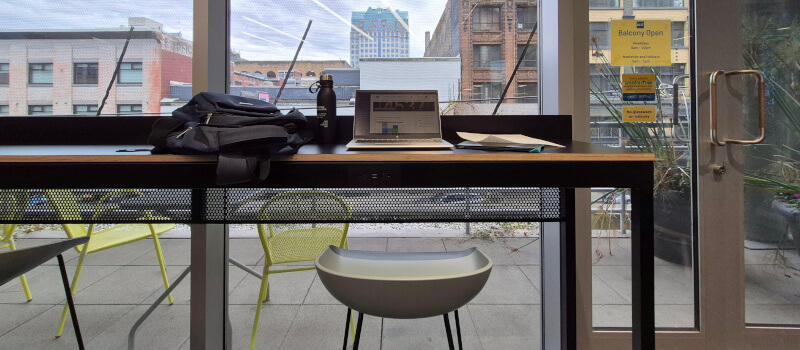
When I graduated from Simon Fraser University, I wrote about a few highlights of my time there in a post titled The Mountain. Back then, I was so focused on closing that chapter that I didn’t think much about what the whole experience meant.
Seven years later, here I am again.
Not much has changed on the surface, except for the constant back pain and the week it now takes to recover from one night of sleep deprivation.
But this time, as I wrap things up at the British Columbia Institute of Technology, I just can’t shake the big question: was this the right choice?
While I try to figure out the answer, here are a few memories I’ll be reminded of next time my body files a formal complaint about late-night coding.
My Rubicon
I really thought I bombed it.
Sitting in my car, I frantically refreshed the Grades page on the SFU student portal.
Just eleven days earlier, I was sitting in a massive lecture hall staring blankly at my Discrete Math final. I scribbled down whatever I could remember: Big-O, Dijkstra’s, proof by induction… each answer felt like a coin toss.
“Man, I don’t think I’m cut out for software,” I thought, walking out.
Knowing it would be difficult, I had taken this one-off class as a kind of trial to see whether I should even consider putting my Marketing career on pause.
So yeah, I wasn’t exactly brimming with hope as I refreshed the page one more time.
B+.
Okay… maybe I do get this stuff a little. Let’s give it a shot.
A month later, I nervously shuffled into BCIT’s Downtown campus for my first class.
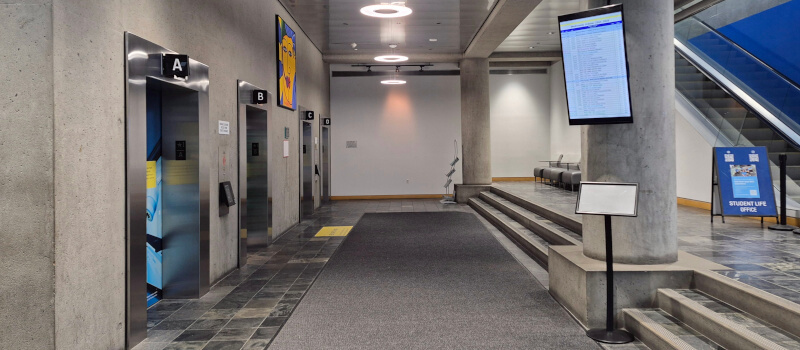
Julius Caesar changed world history when he crossed the Rubicon.
When I crossed mine, I… ended up in a classroom.
Not quite as dramatic. 🤷♂️
Still, deciding to go back to school felt like crossing a personal point of no return.
Legos & Late Nights
BCIT hits hard from the start: five labs and two assignments in full swing by the second week.
But through the cohort system, we had the same classmates for nearly every class. And we quickly realized one thing: if we didn’t work together, we’d all burn out.
In one lab, our team of five had to program a Lego Mindstorms robot to follow a line, collect a red ball, and battle other teams.
At first, it was all competition, with each group holed up in separate study rooms, trying to outdo the others. But the sensors were old and unreliable, needing hours of troubleshooting.
We realized that hoarding knowledge got us nowhere, so slowly, fragmented teams started coming together, sharing strategies, code, and workarounds.
By the evening before the competition, four or five teams were huddled in Room 655, trying to shave milliseconds off their line-following time.
At some point, our group mate Jacky walked over and said three letters: P-I-D. I still don’t know how it works, but implementing it halved our time.
And soon thereafter, every team was using it.
What started as a contest became an exercise in collaboration and knowledge sharing. Facing the challenge together pushed us further than any one team could alone.
I think we went home around 10pm. Not our first late night, and certainly not our last.

Chasing Co-op
We definitely weren’t staying on campus until late for fun.
No, it was for a shot at the co-op work experience program, which only about 25 students from our campus would get into.
Every grade and point mattered. We chased every last mark, even if it meant staying hours after class comparing submissions and debugging edge cases.
Then one night, Derek T sent a message to our friend group’s Discord: check ur emails
We were in.
But the struggle wasn’t over. Oh no.
Now we had to find actual jobs in a market flattened by high interest rates and flooded with AI hype.
We sent application after application… and got nothing.
Humour became our coping mechanism. Our collective lack of success turned into a running joke. Maybe this resume font would finally do the trick, maybe ChatGPT could save us, maybe this next email would finally hit.
Between the nervous laughter, we started building a game together. Partly for fun, but mostly out of desperation. If no one would hire us, we’d make something they couldn’t ignore.

But slowly, one by one, applications turned into interviews, and interviews turned into offers.
After months of rejection emails and dark humour, we’d finally beaten the algorithm.
Final Stretch
But amid all the celebration of landing co-op jobs was a quieter thought: we were about to head our separate ways for the next eight months.
For my original table group, it ended up being longer. Some stayed on full-time, and I extended my own term by another four months.
There was one reprieve that summer, though: our online Data Communications class. We might have been joining remotely, but the inside jokes, group chats, and deadline scrambles made it feel like old times.
When I finally returned to finish the program, I joined the Cloud Computing specialization alongside two friends who had also extended their co-ops.
And with Aaron and Cam, the final terms had a different energy. The pressure was gone and the stakes, low.
No more GPAs to chase, no co-op rankings to worry about. Just learning for learning’s sake.
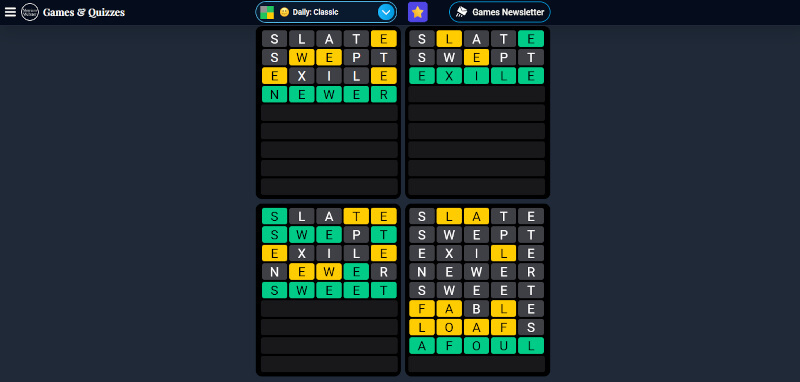
Oh, and Wordle, Quordle, Nerdle, Runedle, etc. Basically every -dle we could get our hands on to pass time.
Bueller
From the moment I decided to go back to school, one question kept following me around: was this the right choice?
It lingered through every late-night lab, every Lego disaster, every co-op rejection, and every frantic Discord ping.
But maybe that wasn’t the point.
Because whenever I took Ferris Bueller’s advice and stopped to look around, it wasn’t the big, future-defining moments that caught my attention.
It was just the memes, the project group calls, and the shared panic over last-minute deadlines.
Maybe this is my happy path, after all. The way things are meant to turn out.
I don’t know.
And honestly, I probably won’t know until years down the line.
But for now, it’s time to pack up my backpack and get back to real life.